The Future of Curation
After Anna Wintour comes algorithms, and after algorithms comes...

As I build Web Curator, I realise that it is wise to be intentional about building a good operating system for curation. The below article is thus a reflection on this very topic. Enjoy!
Curation is cultural weaving
Curation is a form of cultural weaving. It is the process through which culture is shaped, filtered, and given meaning. It is both picking the threads, the pattern, the weaving kit, and the technique we use to weave those threads together.
For most of history, this work has been carried out by a small number of institutions and gatekeepers. To understand its impact, imagine culture as an invisible web connecting us all, woven from shared symbols, ideas, values, and prejudices. These webs differ across nations, communities, and subcultures, yet they still overlap within a broader, collective fabric.
Perhaps my definition of our culture is what some people call “The Matrix”. A consensus reality we all unconsciously agree to live inside of.
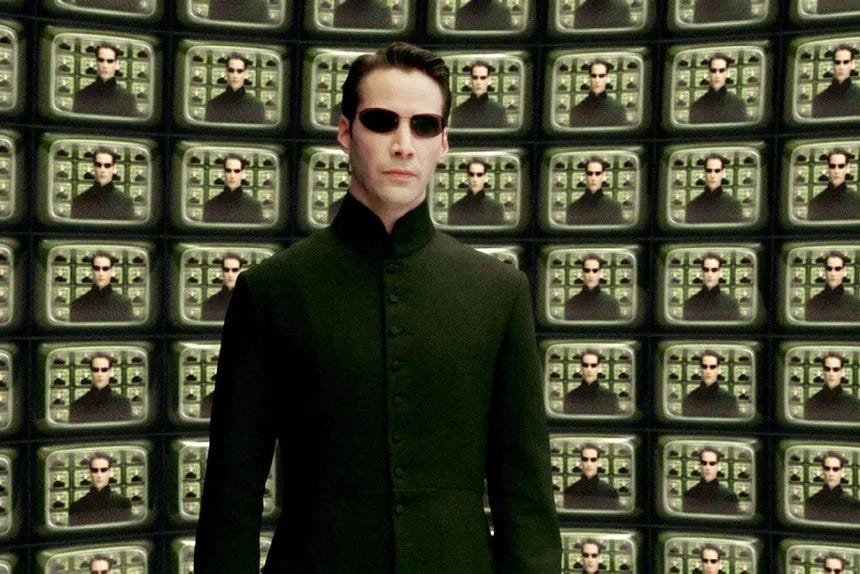
Over time, this fabric has become less monolithic and more decentralized, with control gradually shifting toward citizens. Yet behind this apparent decentralization, powerful systems still coordinate attention and behavior. This is not entirely misguided, crowds can make poor decisions!
The real problem is that we have failed to build curation systems that privilege what is genuinely good for humanity. At its best, curation should help align us with the world around us, enabling both human societies and ecosystems to thrive.
This is currently not the case at all. I would argue the primary current goals of our curation systems is to make the wealthy wealthier. These systems over time always get hijacked and abused. The question is how to build the next curation system so its hijacking becomes much more difficult.
The Cerulean Sweater scene: The role of the curator equates with power in popular culture. Perhaps Miranda Prisley was right, everyone does want to be us (a curator) ! (Source: Devil Wears Prada)
A Short History of Curation
Bias alert: Euro-centric Perspective
Curation did not begin with museums, libraries, or algorithms. It began with power. In most societies, the authority to curate culture has always been closely tied to the authority to rule. To decide what is seen, remembered, celebrated, or erased is to shape reality itself: through institutions that commission artists, architects, historians, writers, or whatever the means of cultural weaving 🕸️ is at that time.
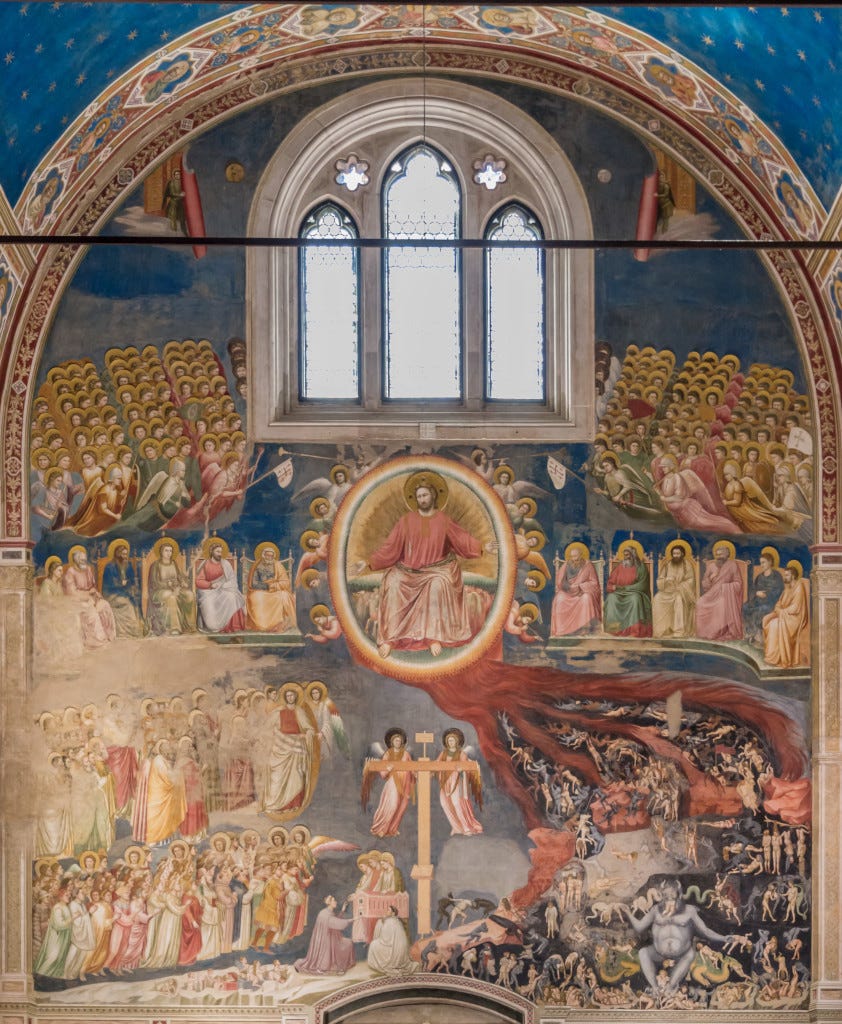
0. The Catholic Church
Curator-in-Chief: The Papacy
For over a millennium, the Catholic Church acted as the dominant cultural curator in Europe. More durable than kingdoms and more expansive than empires, it curated meaning, morality, and reality itself.
Through scripture, ritual, art, architecture, and education, the Church decided what was sacred, heretical, virtuous, or sinful. Cathedrals, paintings, music, and liturgy functioned as cultural infrastructure, shaping how people understood life, authority, and the world.
1. Kings and Queens
Curator-in-Chief: Louis XIV of France (1638–1715)
For much of European history, kings and queens were the primary cultural curators. They determined which religions were sanctioned, which histories were written, and which artistic expressions were allowed to flourish.
Patronage was a political act: art, architecture, and ritual existed to reinforce legitimacy, hierarchy, and divine order.

2. The Renaissance Patron Class
Curator-in-Chief: Lorenzo de’ Medici (1449–1492)
During the Renaissance, curation evolved into a more strategic and aesthetic form of power. The Medici family in 15th-century Florence exemplifies this shift. By funding artists, scholars, and architects, they shaped not only taste but ideology, promoting humanism, rationality, and civic pride while cementing their own authority.
Culture became a long-term investment in influence.
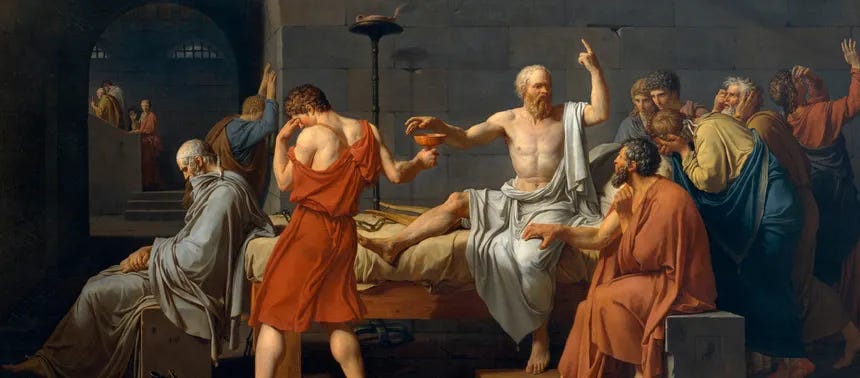
3. Aristocracy and Institutions
Curator-in-Chief: The Académie Française (founded 1635)
As monarchic power weakened, curation moved into the hands of aristocrats and emerging institutions. From the 17th to the 19th century, academies, universities, publishing houses, museums, and newspapers became cultural gatekeepers. While access expanded, legitimacy was still tightly controlled.
Culture was curated through credentials, class, and institutional authority.
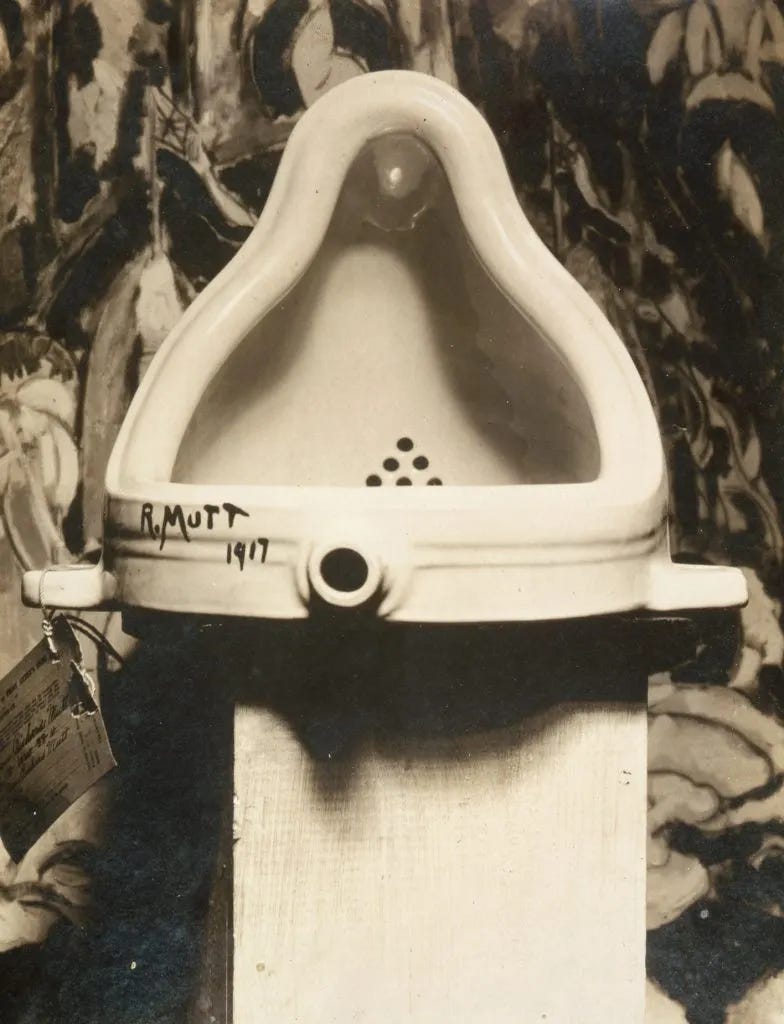
4. Mass Media and Celebrity Culture
Curator-in-Chief: Anna Wintour
The 20th century marked another transition with the rise of mass media.
Film studios, record labels, television networks, and magazines curated culture at unprecedented scale. Cultural authority shifted from institutions to personalities. Celebrities became carriers of values, lifestyles, and political meaning, carefully selected, promoted, and managed.
Curation appeared more democratic, but control remained centralized.
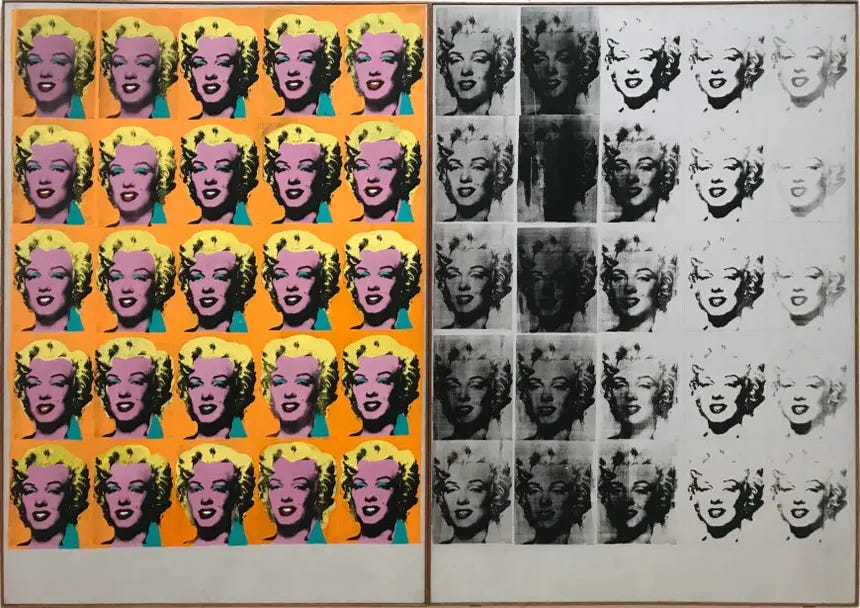
5. Search Engines and the Reordering of Knowledge
Curator-in-Chief: Larry Page (Google co-founder)
At the end of the 20th century, search engines transformed curation by reorganizing access to information itself. Rather than telling people what to think, search systems told them where to look. This introduced the illusion of neutrality, while quietly embedding ranking systems, relevance metrics, and authority signals into the structure of knowledge.

6. Algorithms and the Manufacturing of Attention
Curator-in-Chief: Mark Zuckerberg (Facebook founder)
Algorithms represent a deeper rupture. Unlike search engines, algorithms do not respond to explicit intent, they shape it passively. They curate continuously, invisibly, and personally. What rises is not what is true or valuable, but what maximizes engagement. What aligns to your triggers, or shadow behaviors for the most part.
In this sense, algorithms have become the most powerful curators in history.

From Visible Rulers to Invisible Systems
What distinguishes the present from the past is not the existence of curation, but its opacity. Cultural power has shifted from visible figures, kings, patrons, editors, to abstract systems that rarely claim responsibility. Curation still governs culture, but its authors are harder to name, and its values harder to contest.
Although things seem to be shifting, and as the saying goes power named is power reduced.
Principles for Good Curation
1. Centrality vs Decentralisation
Dimension: Who holds curatorial power
This axis measures how concentrated curatorial authority is. At one extreme, a single institution or figure decides what matters. At the other, everyone curates everything.
What good looks like
Good curation lives in dynamic balance. Total centralization stagnates culture and enforces conformity. Total decentralization collapses signal into noise. Effective systems combine distributed participation with moments of synthesis, places where meaning is gathered, refined, and re-presented.
Example
Wikipedia exemplifies this balance. Anyone can contribute, but content is stabilized through moderators, policies, and consensus mechanisms. The result is neither pure hierarchy nor pure chaos, but a continuously negotiated cultural artifact.
2. Elitism vs Populism
Dimension: Who defines value
This axis addresses whether cultural value is determined by experts or by mass preference. Elitism prioritizes expertise, tradition, and long-term judgment; populism prioritizes popularity, relatability, and immediacy.
What good looks like
Good curation resists both snobbery and crowd-flattery. It acknowledges that expertise matters, because taste, craft, and knowledge are learned, while also recognizing that lived experience and collective intuition have value. The goal is not to please the most people, but to elevate what deserves attention.
Example
Public broadcasters like the BBC (at its best) have historically embodied this tension: commissioning challenging, high-quality content while remaining accountable to a broad audience. Popularity informs decisions, but does not fully dictate them.
3. Peer Review
Dimension: How value is validated
Peer review introduces friction into curation. It slows things down. It asks: Has this been examined by people who understand it deeply?
What good looks like
Good curation uses peer review as a process to refine rather than just a mere gate to exclude. Peer review should be transparent, pluralistic, and adaptive, able to change its mind without collapsing into trend-chasing.
However experts often give into group think and gatekeep change that threatens them. There should be a reliable way to force new things for consideration beyond their gatekeeping ability.
Example
Academic publishing, despite its flaws, demonstrates how peer review can preserve rigor over time. Open-source software communities offer a more dynamic version: code is public, critique is continuous, and authority emerges through contribution rather than status.
4. Controversial Figures
Dimension: Separation of contribution from character
This axis tests whether a curatorial system can hold complexity and tension. Culture is full of brilliant work produced by deeply flawed individuals.
What good looks like
Good curation neither erases controversy nor celebrates harm. It contextualizes. It allows difficult figures to be studied without being sanctified, and criticized without being erased, whilst critically ignoring the truly rotten apples.
Example
Museums that continue to show works by controversial artists, while explicitly addressing ethical issues in accompanying material, demonstrate curational responsibility. The work is not removed from history, but its meaning is reframed.
5. Quality of Interactions
Dimension: How culture is experienced together
This axis concerns behaviour rather than the content itself. It asks whether a curatorial system encourages reflection, dialogue, and understanding, or outrage, tribalism, and performative engagement.
What good looks like
Good curation optimizes for depth over velocity. It rewards listening, disagreement without dehumanization, and sustained attention. Cultural systems should make it easier to become wiser, not merely louder.
Example
Long-form podcasts, moderated forums, and well-designed deliberative platforms create conditions for meaningful interaction. By contrast, engagement-optimized social feeds often reward the most inflammatory interpretations, regardless of substance.
Web Curators as the new OS for curation
I initially wrote this article with the goal of already designing a system of curation that would lead to a more desirable world. Not too gatekeepy but also with an effective filtering system.
I realise this is way too ambitious to do in one article.
I will have to build upon this one and reflect on the principles of good curation to see how that can manifest into software. Also there will be trials and errors between the thesis and the systemic reality of what users will demonstrate as behaviours emerge.
I still believe that in our overly populistic era, crowds have a hard time telling what’s good, and what’s not. I would like to push for a restoration of a critical analysis allowing for an elevation of ideas, and cultural patterns that are good for our collective.
May we move past the incentives of virality this decade, and into intentional curation again. But AI-powered this time round.
If you’re interested in the future of curation I am building it on Web Curator. This blog is the thinking but the doing is here:
To close I want to leave you with some important questions to slowly ponder:
How can we make citizens better curators?
Who is responsible for upholding our culture?
What are things that make our culture better?
How can we elevate people who have better judgement?
What is the right balance between peer-review and populism?
What is a healthy society’s tolerance to controversial figures?
What makes something good? What makes something relevant? Is it the same?
What is the right margin for diversity of thought that is not too disruptive nor oppressive?
Hello Karim, thank you for taking on this challenging task. There's definitely a need for what you're building. We're stuck with Feedly (which is great if you shell out enough money for its Pro+ plan - have you tried it?), but there is next to no competition or alternatives.
In the last year, a few startups wanting to take on the opportunity created by the deluge of new content and the search and filtering capabilities offered by AI, have started exploring this direction with mixed results. I am talking about the likes of Yutori, Nbot, Yourtrace, Syft, Brief, Newsdata and many other ones.
How is Web Curator going to differentiate and improve upon what these other services are already offering?
How customizable will Web Curator be in terms of allowing the user to suggest new sources to include/exclude, rate results received, find relevant stuff semantically instead of by keyword?